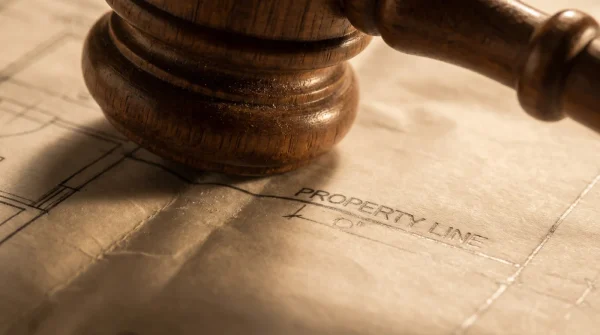
You slide the heavy brass key into the front door of your new home, the metallic click echoing through empty, freshly painted hallways. A stack of closing documents sits on the kitchen island, thick and heavy with blue ink signatures. You run your thumb over the top page—the Warranty Deed—feeling the raised notary seal. It feels permanent. It feels like absolute security.
But the reality of real estate law is far colder than the warmth of a new living room. A deed is a receipt, not a shield. Most homeowners tuck these papers into a fireproof box, assuming their most valuable asset is fully insulated from the outside world.
That assumption leaves the front door wide open to a quiet, devastating threat. Unsecured creditors and predatory debt collectors do not need a key to access your equity; they just need a gap in your paperwork.
It happens without warning. A lingering medical dispute or a forgotten business liability quietly ferments in a courthouse miles away, and suddenly, a predatory lien is anchored directly to your property title.
The Perspective Shift: The Armor Beneath the Paper
Think of your property title like the physical structure of your house. A basic warranty deed guarantees you own the property and that the seller had the legal right to transfer it to you. It gives you the walls and the roof. But without specific legal modifiers, those walls are incredibly porous.
You must stop viewing your deed as a finalized document. It is a living perimeter, and right now, the windows are wide open. A sudden business failure or a misplaced lawsuit can result in a lien attaching itself right to the foundation of your home. By realizing that basic transfers lack protective homestead declarations, you find the leverage you need to defend your ground.
The paperwork you signed at closing was designed to protect the bank and the title insurance company, not your future net worth. The standard forms transfer ownership cleanly, but they intentionally leave out the personal shields that complicate property claims.
The View from the County Archives
Marcus Thorne, a 54-year-old title examiner who has spent three decades wading through county registry archives in Ohio, calls this the ‘paperwork tragedy.’ He often spots the vulnerability long before a homeowner does, watching families lose their footing over trivial legal gaps. ‘People come to the closing table exhausted, just wanting the keys,’ Marcus notes. ‘They sign the standard warranty deed, entirely unaware that spending ten extra minutes to record a homestead declaration would legally wall off hundreds of thousands of dollars in equity from sudden creditor judgments. They buy the house, but they forget to buy the armor.’
- LLC formation services mask steep recurring registered agent fees
- Building permit rejections stem from one missing structural dimension
- Flight cancellation compensation requires specific federal terminology for payouts
- Property line disputes rely on obsolete century old markers
- US passport renewals process months faster with standard shipping
Adjustment Layers: Defending Your Specific Ground
Not every homeowner carries the same type of risk. The way you apply this statutory armor depends entirely on how you live and work.
For the First-Time Buyer
You are hyper-focused on monthly mortgage payments and property taxes. Your equity is still growing, making you assume you are not an attractive target for creditors. But predatory liens often attach early, lying dormant in the county records until your home value rises and you attempt to sell. You need a statutory clause filed immediately after closing to cap creditor access to your initial, hard-earned investment.
For the Long-Term Equity Holder
You have lived in the house for fifteen years. The mortgage is shrinking rapidly, and the market value has doubled. You are sitting on a massive, highly exposed target.
Retroactively filing a protective declaration shields that accumulated wealth. It stops aggressive litigation from draining the generational wealth you have spent a decade and a half building brick by brick.
For the Independent Contractor
Your personal and business liabilities constantly rub against each other. A disputed invoice, a broken contract, or a dissatisfied client can quickly spiral into a personal judgment. Adding specific shielding language to your deed separates your professional risks from the roof over your family.
Mindful Application: Securing the Perimeter
Securing your home requires deliberate, quiet action rather than a frantic legal overhaul. You are simply adding a layer of statutory protection that the standard closing process routinely ignores.
It starts with identifying your state specific homestead laws. You are filing a supplement, not rewriting the deed itself. This document formally declares the property as your primary residence, activating state-level protections against forced sales.
Here is your tactical toolkit for shielding your home:
- Locate the Declaration Form: Search your county clerk or recorder website for a ‘Declaration of Homestead’ document specific to your jurisdiction.
- Draft the Statutory Clause: Ensure the document clearly references your original warranty deed book and page number, tying the armor directly to your title.
- Notarize the Shield: Sign the declaration in the presence of a notary public, keeping the ink consistent and the dates precise.
- Record the Armor: Hand-deliver or mail the document to the county registry with the required recording fee, which usually hovers around forty dollars.
Once that date-stamped copy returns to your mailbox, your home instantly becomes less attractive to unsecured creditors. You have successfully raised the drawbridge, forcing debt collectors to look elsewhere for easier targets.
The Quiet Weight of True Ownership
The physical weight of those house keys should bring comfort, not a lingering sense of vulnerability. True ownership is not just about paying the mortgage on time or keeping the front lawn manicured; it is about knowing the legal ground beneath you is solid and defended.
When you fortify your property title with the right statutory protections, you change the nature of your investment. It becomes a true sanctuary, rather than a fragile asset floating in a sea of modern liability.
You sleep a little sounder knowing that a sudden twist of financial fate will not cost you the walls holding your life together. The house finally belongs entirely to you, insulated from the noise and risk of the world outside.
‘A deed proves you bought the house, but a homestead declaration ensures you get to keep it.’ – Marcus Thorne
| Key Point | Detail | Added Value for the Reader |
|---|---|---|
| Standard Warranty Deed | Transfers ownership and guarantees clear title history. | None against future personal creditors. |
| Homestead Declaration | Identifies the property as a primary, legally protected residence. | Shields a specific amount of equity from forced sale. |
| Statutory Shield Clause | Connects state asset protection laws directly to your deed. | Deters predatory debt collectors before they file liens. |
Frequently Asked Questions
Does a warranty deed protect me from being sued?
No. It only guarantees that the seller actually owned the home and had the right to sell it to you without hidden mortgages.
What is a predatory lien?
It is a claim placed on your property by an unsecured creditor, often aggressively pursuing personal debt, unexpected medical bills, or business disputes.
How much does it cost to file a homestead declaration?
Recording fees vary by county, but they typically range from fifteen to fifty dollars—a minor cost for major legal protection.
Can I add this protection years after buying my home?
Yes. You can record a homestead declaration at any time as long as the property remains your primary, active residence.
Do I need a lawyer to file this paperwork?
While professional advice is always helpful, most states provide straightforward, fill-in-the-blank forms directly at the county clerk office.